About Favorites Classics Club Past Years Past Challenges

Friday, August 27, 2021

August Wrap Up


Well, August definitely didn't go as well as I hoped. I only managed to get through two books and some pages of Les Mis. This fell way short of my goals. Here's what I managed to do:

50 pages of Les Misérables

In my defense, Gravity's Rainbow was 800 pages long and burned me out on reading so badly that I actually had to take a break and didn't read anything at all for several days. It was one of the most difficult books I have read and one of the least enjoyable too. I'm very glad it's behind me! Julius Caesar was okay, but not a special favorite for me. Overall, this was probably my worst reading month of the year so far.

School is starting back up in September, so I am going to try and read some less complicated novels as I settle back into the swing of things. Here's the plan:  

The Song of the Lark by Willa Cather
At least two books chosen from my owned-not-read list based on my mood
At least 100 pages of Les Misérables

Hopefully this lineup is much more manageable for me and I have a more successful time reading next month than I had this month!

Julius Caesar by William Shakespeare


 After finishing Gravity's Rainbow earlier this month, I needed a little bit of a break from reading. This is a very unusual feeling for me, but I was really drained after making my way through that one. As August started winding down, I decided that I should try to read at least one more thing before September, so I went ahead and started Julius Caesar. This was the last Shakespeare play on my Classics Club list and I knew it would be a quick read. I wasn't overly excited for it as I'm not as interested in the plays that include history elements, but this is probably the last of Shakespeare's most famous works that I haven't read, so I wanted to give it a shot.

The plot is set in Ancient Rome and follows a politician named Brutus as he joins in a plot led by the senator Cassius to murder Julius Caesar. Caesar, who is well-liked by the public and fresh off a major military victory as the story begins, is about the be offered the crown of Rome. Brutus, an upright and honorable man, fears that the Roman people will lose their republic if they appoint a king. He comes to the conclusion that the only way to preserve the freedom of his country is to eliminate Caesar, even though he admires him and considers him a friend.  

Brutus and the rest of the conspirators execute the plan successfully and Caesar falls. At first, he is able to persuade the public of the righteousness of his views and they support his actions. However, Caesar's friend, Mark Antony, speaks eloquently on Caesar's behalf at his funeral and manages to bring many of the citizens back around to his point of view. The country is then plunged into civil war, with the people that support Caesar on one side and those who support the conspirators on the other. Ultimately, Brutus is forced to reckon with his murderous actions, his own sense of honor, and the strife he brings down on the country he loves so fiercely.

I was surprised to find while reading that this actually wasn't too bad. I especially enjoyed the first few acts of the play, where Brutus is grappling with taking part in the conspiracy and Cassius is pushing him hard in that direction. It is eventually heavily implied that the vast majority of the conspirators were motivated by greed or jealousy to kill Caesar, but Brutus was truly just concerned with preserving the democratic government of Rome. His morals conflict with his personal friendships, and his morals eventually win out. He kills his friend out of principle even though he loved him. What drama! 

This scene happens about halfway through the play though, and my interest started to wane a little bit after that. As is usual in a Shakespearean tragedy, things fall apart rapidly with lots of fighting, deaths, and suicides piling up until the conclusion is reached. I wish a bit more time had been spent in the end on the characters' emotions and internal struggles; things happened so quickly that the end felt a bit hollow. 

I think Julius Caesar ranks somewhere in the middle of the pack out of the works by Shakespeare I have read. I liked it more than I thought I would and, of course, there were lots of famous lines and speeches sprinkled throughout that I enjoyed discovering as I went along. I don't have a ton to say about it, but it was pretty good. I'm a bit sad now that I've finished the Shakespeare section on my Classics Club list, but I'm excited to be so close to finishing the whole thing! Just two books left to go before the end of the year. 

Challenge Tally

Classics Club (#2 on my list): 98/100 books completed

Total Books Read in 2021: 39


Thursday, August 19, 2021

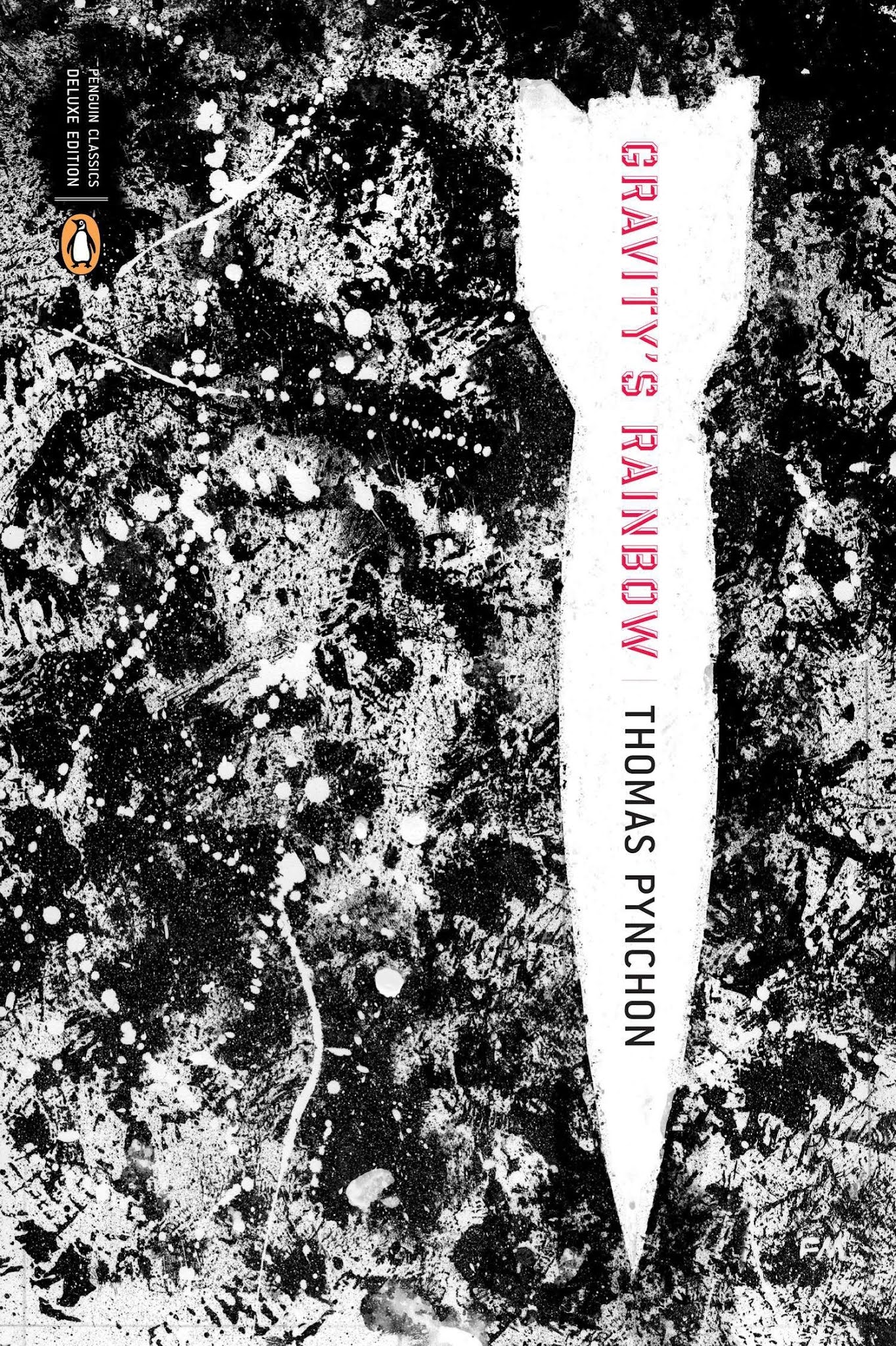
Gravity's Rainbow by Thomas Pynchon


I decided to start off my August reading with a book that I was very intimidated by, Gravity's Rainbow by Thomas Pynchon. Coming in at 776 pages, this postmodern novel has been praised by many critics as a masterpiece of the genre. That is exactly what made me nervous about it. I generally do not enjoy postmodern literature, but in my infinite wisdom, I put this book on my Classics Club list anyway. I wanted to include a wide variety of classics, so here we are. Why I ever thought variety was more important than my personal enjoyment when it comes to reading for pleasure is a mystery to me at this point. I guess the me from five years ago was a lot more ambitious than present day me. In any case, I finally finished the book and I'm here to report back.

Trying to describe the plot of this novel is quite difficult, as it doesn't exactly contain a coherent narrative. Speaking very broadly, the story centers around Tyrone Slothrop, a U.S. Army lieutenant serving during the end of WWII. He becomes obsessed with learning more about a certain German-produced V-2 rocket with the serial number "00000." This rocket is said to contain a mysterious device that he wants to uncover the secrets of. Several other characters with various ties to this rocket are also followed throughout the story. As the war continues on and moves towards its conclusion, more and more paranoia starts to set in and Slothrop struggles to hold it together mentally. The situations he finds himself in become more and more surreal and bizarre until it's impossible to tell reality from fantasy.

That summary doesn't give a true picture of what Gravity's Rainbow truly is though. The story contains over 400 characters, most of whom are only mentioned once. The plot doesn't stick to one timeline and goes off on long digressions that have little to nothing to do with the main story. Many sections are stream of consciousness-style and almost completely unintelligible. Reality is mixed with supernatural and fantasy elements and it is never made clear how much of it is actually happening versus being figments of the characters' imaginations. To say this is a challenging read is an understatement. This novel isn't mean to be understood in the traditional sense and at times actively tries to alienate the reader with graphic and disgusting content. Some readers appreciate reading stories that defy the typical conventions of a novel. That's the point of postmodern fiction, and Pynchon is very successful at doing that here. I, however, am not one of those readers. Gravity's Rainbow was a torturous, mind-numbingly boring experience for me and I strongly disliked it. I acknowledge that readers who appreciate this style consider it to be an excellent and important work, but it is very clearly not the book for me.  

I knew this going in, of course. I knew that I wasn't going to enjoy the style of it. I was hoping, at least, to see the merit of it by the time I finished. To be honest though, I was never able to latch onto anything that felt truly meaningful the entire time I was reading it. Pynchon comments on a lot of topics of course, like war, paranoia, and fate, but all of his points were so buried under layers of writing that were either confusing or offensive that it was difficult to take away any kind of clear message from it. I think that fact that I am a woman didn't help me here either, as a lot of the story centered around graphic sexual encounters in which women were not depicted well. At one point, there is a fairly long scene in which Slothrop has sex with a small child. The child behaves with as much desire and knowledge as an adult woman would. It was difficult to read. There is another scene in which a woman urinates and defecates into a man's mouth. Also difficult to read. Those are far from the only examples of graphic sexual content. All throughout the text, women behave in ways that feel exploitative and make no sense. I had a hard time feeling for any of these characters because I was so distracted by these scenes. There is very little in this book to appeal to women, even if they enjoy the postmodern writing style. It's the same for people of color, because there's a lot of racism running throughout the story as well.

In the end, what I am left with is confusion and relief that I finally finished reading this. I'm not sure why Gravity's Rainbow is regarded so highly. Doesn't all the racism, sexism, homophobia and pedophilia bother people? Is that something people are okay with looking past to appreciate the unique style of the novel? This is something I struggle with myself when it comes to enjoying classic literature, so I'm not trying to be glib here. I just think that this book in particular has a lot more blatantly objectionable things to look past than most. How do people reconcile this? Do any women actually really like this book? How about African Americans? 

I'm sure fans of Pynchon would say that I lack the intelligence to understand what he was trying to do. That might be true. I read a lot, but I'm certainly no expert in this type of writing. After this experience, I think I'm quite happy to remain that way. I've also seen other reviewers say that this book requires multiple readings to truly appreciate. To that I say, no thanks. One brush with coprophilia was enough for me. At least I can cross this book off my list now and say that I gave it a shot.


Challenge Tally

Classics Club (#70 on my list): 97/100 books completed

Total Books Read in 2021: 38


Friday, July 30, 2021

July Wrap Up


So, July is over and I actually did okay on my reading goals! I finished everything I set out to do and even found a few new favorites. Here's what I read:


My favorite read of the month was The Bear by Andrew Krivak, which I found to be really poignant and unique. I also truly loved The Girl from the Sea. Both made it onto my all-time favorites list.

My least favorite read of the month was The Little White Horse, which is so strange for me. It's a classic children's novel, and I generally love those. This one, however, I found to be quite preachy and full of sexist ideas. 

In August, I'm going to try and finish another one of the gigantic classics I have left on my Classics Club list, and then spend the rest of the month trying to power through some random books from my shelves. Here's the plan:

Gravity's Rainbow by Thomas Pynchon
Julius Caesar by William Shakespeare
At least two books chosen from my owned-not-read list based on my mood
At least 100 pages of Les Misérables

I am very intimidated by Gravity's Rainbow. It's another book in the 700 page zone and it's not the type of classic I typically enjoy. I'll be glad to get it finished, but I'm not expecting to enjoy the experience. I hope to be wrong about this though! 

At this point, I only have four books left from my Classics Club list to read. It's insane that I'm so close to meeting my goal. There's definitely some challenging books left on there though, so it's not over yet. If I manage to stick to this plan, I'll only have two left to try and read in September, and one of them is Les Misérables, which I'm already about 900 pages into right now. Let's hope I can stay on track! 

The Girl from the Sea by Molly Knox Ostertag


With the end of July swiftly approaching, I decided to pick up a shorter book next so that I could meet my goal of reading two non-classic books from my shelves this month. I went with a young adult graphic novel that I picked up recently, The Girl from the Sea by Molly Knox Ostertag. This initially caught my eye at Barnes and Noble because of the beautiful artwork on the cover, but when I flipped through it and saw that it involved selkies and was LGBTQIA+ friendly, I knew I had to give it a try.

The plot of the novel follows a fifteen year old girl named Morgan who lives in a small island town with her mom and little brother. She's been feeling a bit emotional lately because her parents recently split up. her brother's been acting quite mean as a result of it, and, on top of all that, she's gay and feels too scared to come out to her friends and family. She has a plan though. She is determined to finish high school and then move to a college somewhere far away. She reasons that once she's away from everyone that knows her, she can finally be herself and have a bit of a fresh start. She just has to lay low for the next few years until she can make her escape. 

Her carefully crafted plan is turned on its head, however, when she slips and falls into the ocean one night and is rescued by a cute and mysterious girl named Keltie. Keltie appears to be some sort of mythical sea creature, so Morgan assumes that she's hallucinating her after her fall, but soon enough she learns the truth-- Keltie is real and she is a selkie. Both girls are attracted to each other and before long they start relationship. Morgan wants to keep it a secret because she hasn't come out as gay to anyone in her life yet, but Keltie, who doesn't really understand the prejudices of human society, is very hurt by this. She agrees to carry on in secret though, because the feelings between the pair are so strong.

Aside from the issues surrounding the girls' romance, there are other problems happening on the island. A new boat tour is due to start running soon, and the pollution from this threatens to destroy Keltie's ocean community. In order to try and fix it, she needs Morgan's help. Getting involved in the situation, however, conflicts with Morgan's desire to fit in and not draw attention to herself. She must decide if she wants to step up and fully put herself out there in front of everyone she knows, or continue to stay safe and anonymous in the background. 

This book was an absolute delight and I really loved every page of it. The story was a really interesting blend of social issues and fantasy, and the relationships between the characters felt authentic and genuine. Morgan's fears about her sexuality were very relatable and her romance with Keltie was sweet and pure. The themes of acceptance, honestly, and bravery were perfect for a young adult audience. The illustrations were beautiful as well. The color palette was bright and friendly and many of the pages made me pause to appreciate just how pretty they were. It really was fantastic.

One thing I especially liked about the messaging in the story was the idea that it's important to be yourself right now. Morgan continually made plans to be free and open eventually, but Keltie's influence pushes her to change her plans and embrace who she is right away. As someone that also puts off doing things until conditions are "perfect," I could relate to the wisdom of this idea that we shouldn't wait to seize our happiness. I think this is a great message for younger readers to hear, and one that is relatable to everyone, no matter what situation they are struggling with.

It was a really nice surprise to find another favorite with The Girl from the Sea. This was a sweet read with excellent themes and a lot of heart. I know I'm going to be recommending this book like crazy to my students next year. As far as young adult graphic novels go, you can't do much better than this.

Challenge Tally
Clear the Shelves 2021: 18/50 (keep)

Total Books Read in 2021: 37


The Bear by Andrew Krivak


After making my way through 700 pages of Vanity Fair this month, I wanted to move onto a shorter and easier read. I decided to try The Bear, a 2020 literary fiction novel by Andrew Krivak. I first heard about this book on YouTube, and what caught my attention was the fact that one of the characters is an actual bear. Bears are one of my favorite animals, so I knew I had to pick it up. I bought it when it first came out and it's been sitting on my shelf ever since. As it's only about 220 pages long, it seemed like the perfect follow up to the dense classic I just finished. So, I finally got started on it, hoping for a relaxing time and wondering how exactly a bear was going to fit into the story.

The plot of the novel follows the last two people on earth, a father and his young daughter. Whatever event that happened to lead to human extinction happened so long ago that neither father nor daughter know what happened. All they know is how their lives are now; they live off the land, hunting game and foraging in the dense forest around them to survive. The father works to teach the daughter everything he knows about survival, as he knows that once he is gone, she will be completely alone. Luckily, the daughter is strong and capable. As she grows from child to teenager, she becomes a skilled hunter and learns to take care of herself.

Eventually, on a long foraging journey away from their small cabin, the father passes away. The daughter, all on her own now, is nearly crippled by her grief and despair. In her darkest moment, a bear emerges from the woods and speaks to her. He encourages her to keep going and agrees to travel beside her as she makes her way back home. Along the way she faces harsh winter conditions and must call on all of the knowledge her father gave her to survive. The Bear is a story about grief, loss, and memory, and about the connections humans can have with the natural world.

This novel was absolutely beautiful. Krivak tells the story using simple prose that reads almost like a fairy tale, but in a way that remains grounded in reality. It seems strange to say that while discussing a book with talking animals, but somehow this feels more like a natural occurrence than a magical one in the context of the story. The characters, who remain unnamed, feel genuine as well. It is easy to form an empathetic connection with both the father and the daughter. It's been awhile since I've felt emotional while reading, but I was definitely moved by this story in a couple of places. Watching the daughter struggle to come to some kind of acceptance and peace after the loss of her father, knowing that she is completely alone in the world, definitely pulled on my heartstrings. Krivak does a nice job of exploring how we grieve and how we carry forward the memories of those we've lost, and the fact that it's set against the background of the end of humanity added a lot of interesting layers to think about.

The connection between the humans in the story and nature was interesting to explore. The father and daughter were completely at the mercy of the woods around them, and conditions were often hostile to them. At the same time, they were able to find everything they needed to live through their own ingenuity and hard work. They respected the natural world and made good use of everything they took from it. The daughter in particular learns to live so well in the wild that she develops almost a sixth sense for survival there and is able to communicate on different levels with the plants and animals. Of course, the best example of this is her relationship with the bear, who emerges from the woods to help her find her way out of her despair. Watching these characters and their spiritual connection to the wilderness made me contemplate if all of our innovations and conveniences have robbed us of something important. The book is never preachy on this point, but it does lead one to think about their relationship with nature and the interconnectedness of all living things.

Ultimately, I think that The Bear is a tremendous novel and I can't recommend it highly enough. It's a quick read that managed to explore big concepts in a tender and genuine way. It felt special and important and it made me think about love and loss in a lot of different ways. When I first started reading, I didn't really think I'd be discovering a new favorite, but that's exactly what happened. This is undoubtedly going to be one of my favorite books of the year.   

Challenge Tally
Clear the Shelves 2021: 17/50 (keep)

Total Books Read in 2021: 36


Monday, July 26, 2021

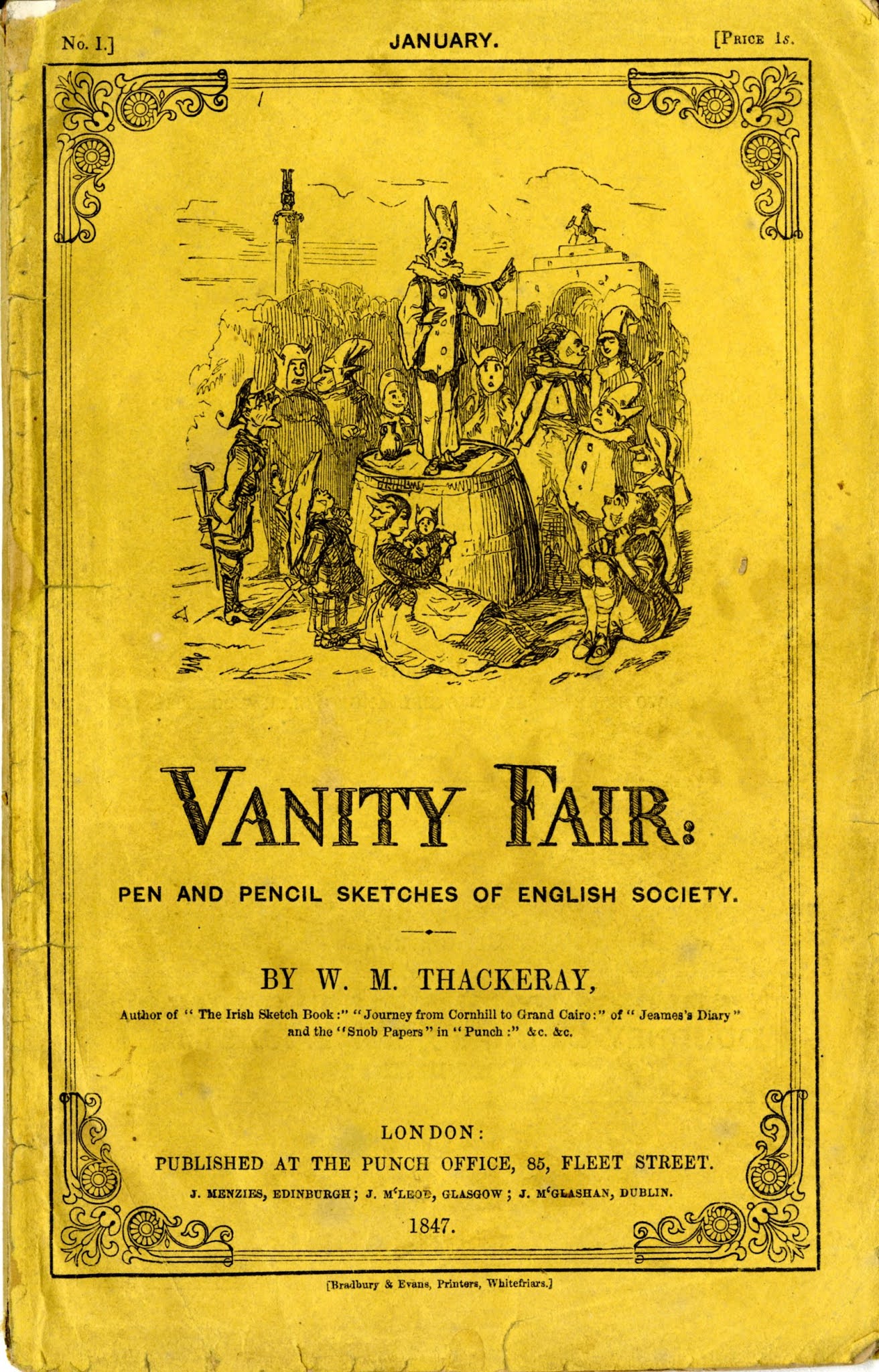
Vanity Fair by William Makepeace Thackeray


I think I initially wanted to read Vanity Fair as a teenager because of Reese Witherspoon. She starred in a movie adaptation of the novel back in the 2000s, and as a kid that grew up watching Legally Blonde and Cruel Intentions, I wanted to see whatever she did. I decided to read the book before watching the movie, so I bought the novel way back when I was in high school. I actually started reading it, but its length and difficult language were a bit too much for me back then. It was one of the few books I ended up putting down (I never ended up watching the movie either). I always knew I wanted to go back to it eventually, so I put it on my Classics Club list. When I saw that the Back to the Classics Challenge had a prompt to read a humorous or satirical classic this year, I knew that Vanity Fair would be the perfect fit. I started off my reading once again, hoping that all my experience over the years reading classics would help me to do better than I did on my first attempt.

The plot of the novel follows several different characters living in England during the Napoleonic Wars, the most prominent of which is Becky Sharp. Becky is a penniless orphan from a lower class family at the start of the story, but she doesn't let that get her down. She is determined to climb her way to the top of the social hierarchy using her formidable powers of deception, flattery, and flirtation. Throughout the course of the novel, she schemes her way into a marriage far above her station and then proceeds to live quite lavishly on "nothing a year" through her husband's meager gambling winnings, extensive lines of credit, and manipulation of her friends and in-laws. Her spirit is admirable, but her methods are very selfish and ruthless. Before long, her intricate system of lies and deceit start to catch up with her and she must find a way to maintain the social position she worked so hard to achieve.

Another character we follow through the novel is Amelia Sedley, an old school friend of Becky's that is in every way her opposite. Where Becky is devious, tricky, and bold, Amelia is shy, meek, and obedient. She starts the novel off very comfortable financially, but when her father loses his fortune through poor business decisions, she finds herself at the lower end of society. Instead of scheming to climb back up like Becky does, she quietly accepts her fate, performs all the admirable duties of a good daughter, and suffers mightily for it. Her fall stands in stark contrast to Becky's rise, and the reader is left to wonder if all her goodness will end up being rewarded in the end. 

Through the stories of Becky, Amelia, and a handful of other characters, Thackeray mercilessly lampoons English society and their fixation on social status and money. The novel abounds with instances of people behaving quite badly under the corrupting influence of wealth. They betray friends and family, disregard the feelings of others, and generally behave like monsters in the pursuit of obtaining or maintaining their money. The rich are shown to be silly and callous and the characters that struggle or don't care much about such things are generally shown to be more admirable than their richer counterparts. The overall message is clear - there is nothing about having a lot of money that makes anyone particularly deserving of luxury or status. The divisions between people that have money and those that don't are entirely random, and not at all connected to strength of character or innate goodness. The process of acquiring money if you don't have it is quite corrupting and can lead to personal disaster when taken too far. At the same time, sacrificing and living without can lead one into an equal amount of misery and sadness. Essentially, money is tricky, life is random, and people are terrible. The book is really funny though, I swear.
 
I enjoyed Vanity Fair well enough. It was full of biting sarcasm and hilarious characters. I appreciated the sense of humor throughout it and could tell that Thackeray was a master of social satire. What I struggled with was its length. My edition of the novel had 696 pages of tiny print, and most of that felt rather aimless. It follows many characters over the course of many year and there's never really one driving plot that unites them all together. It's that kind of book where you're watching characters doing things and have no idea what any of it is building to; you're just along for the ride. There are a lot of obscure allusions to culture and history from the time period which were difficult to understand as well, so parts of the text were confusing. I tried to set myself a goal of reading 50 pages a day, and it was tough to stick to that. It was good, but it definitely wasn't a page turner. If you're in the mood for a big, thick classic though, you could definitely do worse. 

I think what I liked the most about the story were the shades of gray among the characters. No one is all good or all bad, not even Becky, who has got to be one of the most outrageously selfish characters of all time. This made the story feel a bit more authentic, even though it's clearly a satire. Similarly, I liked the idea in the text that those who end up with money don't necessarily deserve it. Those who rise or fall in society largely do so based on accidents of birth, and hard work or virtue do not provide a straight path to financial security or even to happiness. In fact, it's often that people succeed by employing the exact opposite tactics. These are cynical ideas to be sure, but they make for an interesting story. It's funny that although this book was set during the 1800s, the ways money can cause problems in society hasn't really changed that much. It was the root of all evil back then and it remains so today.

Overall, I thought Vanity Fair was a solid read, although the process of getting through it felt hopelessly long a lot of the time. Still, it had an interesting cast of characters, contained some excellent social commentary, and definitely gave the reader a lot to think about. I'm glad to have experienced this one; meeting Becky Sharp alone was worth the price of admission. Reflecting back on my first try at the novel, it's pretty cool to think about how far I have come as a reader of classics. I thought this book was too difficult back in high school, and now it was not a big deal at all to understand (obscure allusions notwithstanding). Now I suppose my next step will be to finally watch the movie adaptation and see how it measures up.

Challenge Tally

Classics Club (#64 on my list): 96/100 books completed
Back to the Classics 2021 (A Humorous or Satirical Classic): 10/12

Total Books Read in 2021: 35